
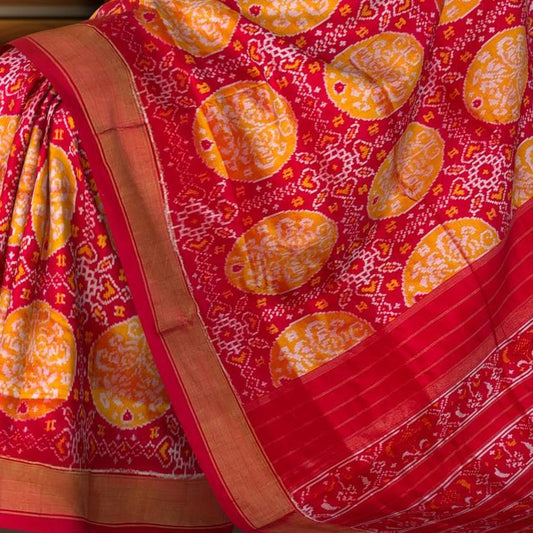

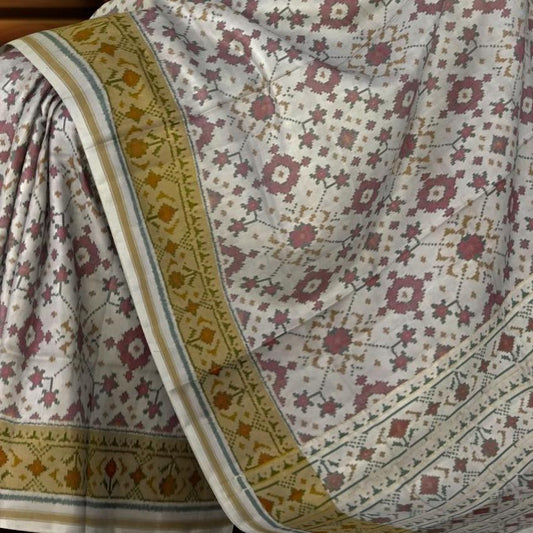

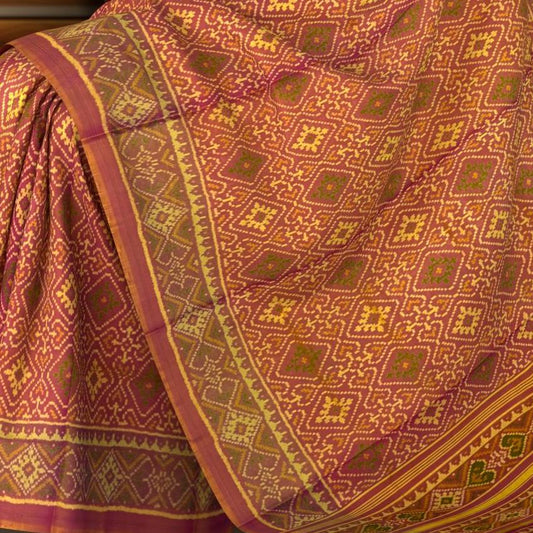


A Canadian Citizenship Moment Draped in a Traditional Nauvari Saree
When she stepped forward to take her Canadian citizenship oath, the room reflected everything expected of a formal civic ceremony—solemn, structured, and official. Yet one detail quietly stood out and transformed the moment into something far more meaningful. Draped in a traditional Nauvari saree, this Marathi woman chose to mark her new beginning without setting aside her roots.
For many immigrants, citizenship ceremonies represent the end of a long journey filled with paperwork, waiting, uncertainty, and hope. They also symbolise acceptance into a new country, a promise of belonging. In such moments, people often dress neutrally, blending into the formality of the occasion. But by wearing a Nauvari saree, she made a different choice—one that celebrated continuity rather than change alone.
The Nauvari saree is not just a garment. It carries stories of resilience, confidence, and cultural pride. Traditionally worn in Maharashtra, its distinctive drape allows ease of movement and has long been associated with strength and self-assurance. Over generations, it has been worn during everyday life, festivals, and moments of importance. Wearing it at a citizenship ceremony felt intentional, thoughtful, and deeply personal.

What made this moment resonate with so many people online was its quiet confidence. There was no dramatic statement, no speech about identity or heritage. Just a woman standing tall, honouring both where she comes from and where she is headed. For members of the Indian diaspora, especially women living far from home, the image struck an emotional chord. It reflected a familiar internal question: Can I belong somewhere new without losing who I am?
Her answer, though unspoken, was clear. Culture and citizenship are not opposites. One does not cancel out the other. In fact, multicultural societies thrive on such expressions—when individuals bring their full selves into shared spaces. A Nauvari saree in a Canadian citizenship hall did not feel out of place; it felt enriching.
The moment also highlighted how tradition can adapt without losing its essence. The saree, rooted in history, found its place in a modern civic ritual thousands of kilometres away from its origin. It became a bridge between continents, generations, and identities. For younger viewers watching this unfold online, it served as reassurance that embracing global opportunities does not require cultural silence.
In a time when assimilation is often misunderstood as erasure, this simple yet powerful act offered a different narrative. It reminded us that progress does not mean forgetting, and new beginnings do not demand letting go. Sometimes, the strongest way to step into the future is by carrying the past with grace.
This was more than a fashion choice. It was a moment of alignment—between personal history and public life, between heritage and hope. And in that quiet harmony, many found inspiration to wear their roots proudly, wherever life takes them.