

Tangail Saree Weaving Earns UNESCO Intangible Cultural Heritage Status
Tangail sarees, one of the most treasured cultural symbols of Bangladesh, have achieved a proud milestone. UNESCO has officially recognized Tangail saree weaving as part of the world’s Intangible Cultural Heritage — a monumental honour that acknowledges the artistry, dedication, and cultural significance woven into every thread.
For centuries, the weaving communities of Tangail have been creating sarees that reflect the soul of tradition. The craft is nurtured within families, where weaving skills are passed down through generations like sacred knowledge. Every saree crafted on a handloom is more than a garment — it is the weaver’s devotion, patience, and inherited wisdom coming to life.
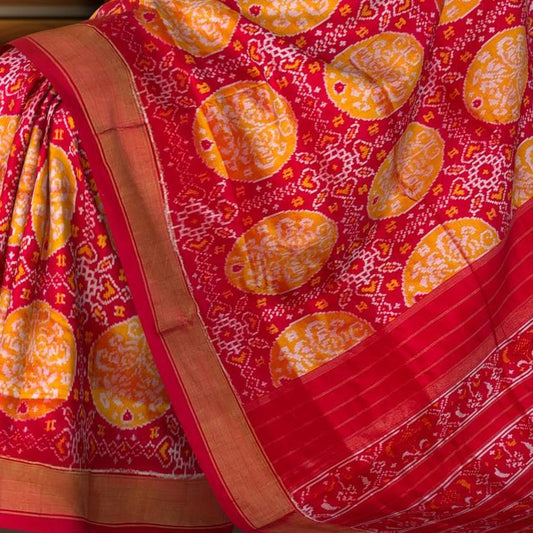
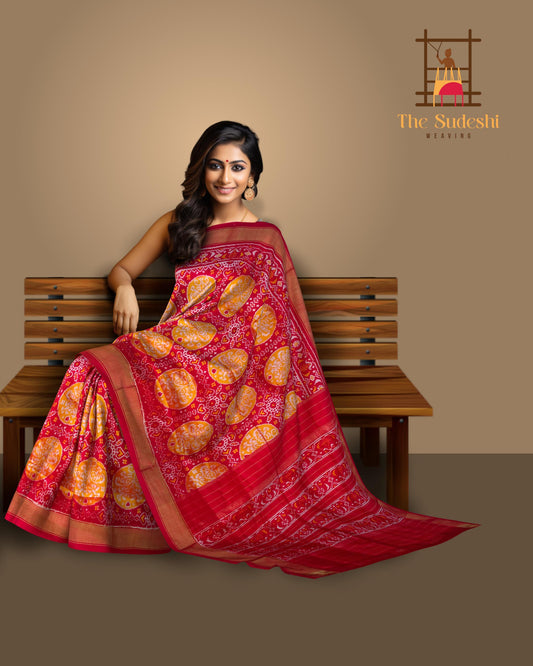
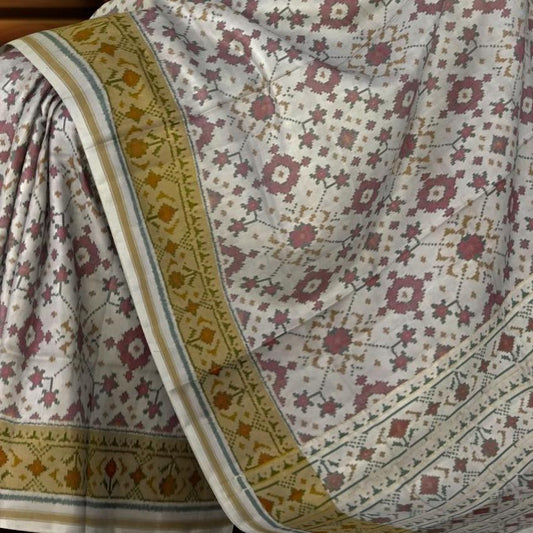
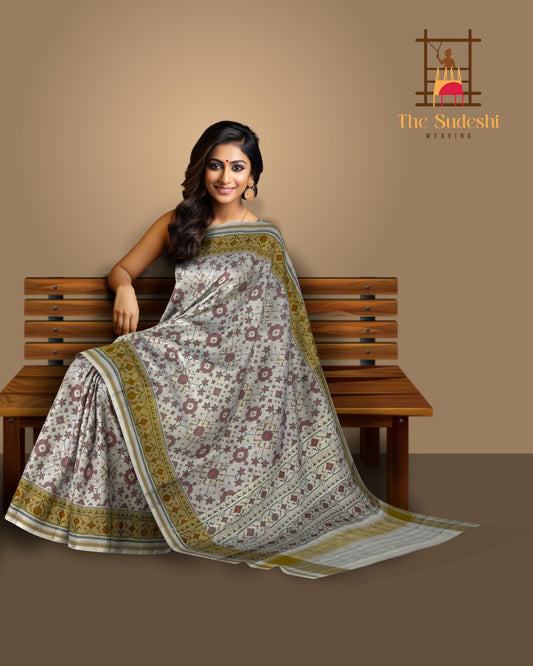
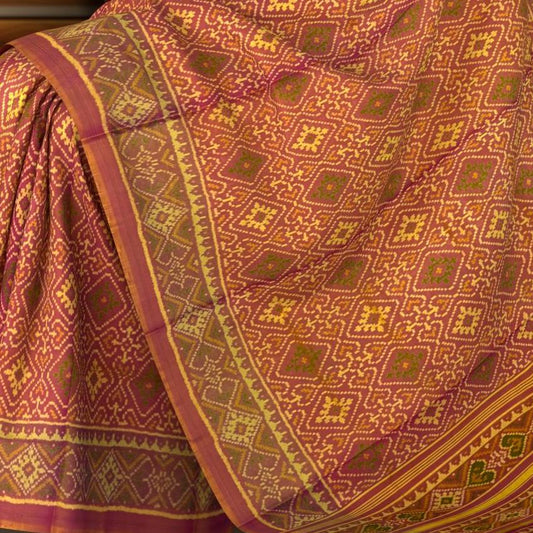
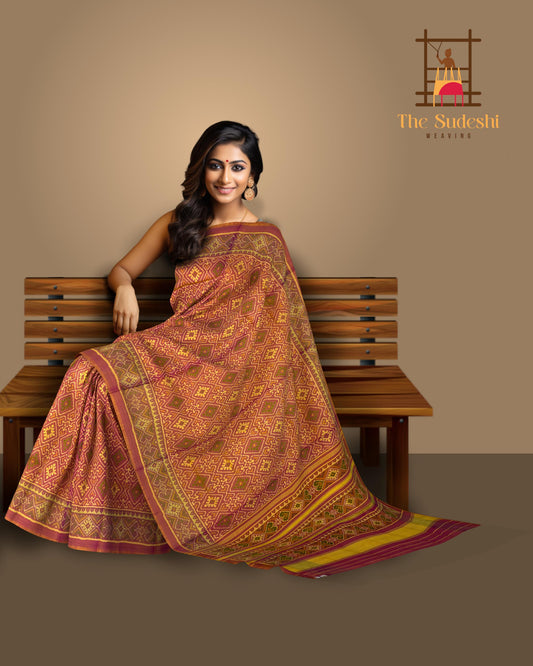
The distinct charm of a Tangail saree lies in its feather-light cotton or silk blend, delicate motifs known as buti, and beautifully detailed borders featuring nature-inspired and geometric patterns. These sarees are admired not only for their elegance and comfort but also for their deep cultural identity. Women wear them proudly during celebrations, festivals, and daily life, making Tangail sarees an inseparable part of Bangladesh’s textile legacy.

UNESCO’s recognition brings hope and inspiration to thousands of artisans whose livelihoods depend on handloom weaving. In a world rapidly shifting toward machine-made textiles, traditional crafts face the threat of fading away. This prestigious acknowledgment creates new possibilities for global promotion, preservation of heritage techniques, and broader economic support for weaving families. It serves as a reminder that craftsmanship cannot be replaced by mass production — especially when it carries cultural memory and ancestral artistry within every stitch.
The inscription also highlights the importance of encouraging younger generations to continue the tradition. With greater visibility and appreciation, weaving clusters can flourish again, attracting new learners and safeguarding the heritage for centuries to come. Consumers too can play a vital role by choosing handloom products and celebrating the artisans who keep these remarkable skills alive.
Tangail sarees tell a story — a story of identity, resilience, and the beauty of handmade creativity. Today, with UNESCO’s global recognition, that story will reach further corners of the world. It is a proud moment not only for Bangladesh but for every supporter of traditional craftsmanship. The legacy of Tangail weaving will now shine even brighter, ensuring that this timeless art continues to drape the world in grace and heritage.